Рубрика: 9 class
-
Post 4
Один ответ для «Post 4»
-
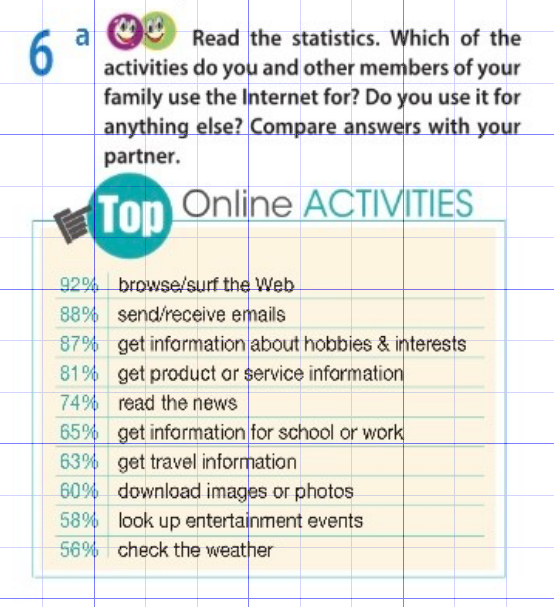
My family uses the Internet to check emails.
My mum uses it to get product and service
information. My dad checks the weather on
the Internet. My brother and I look up
entertainment events and get information our
schoolwork.
-
-
Post 2
6 ответов для «Post 2»
-
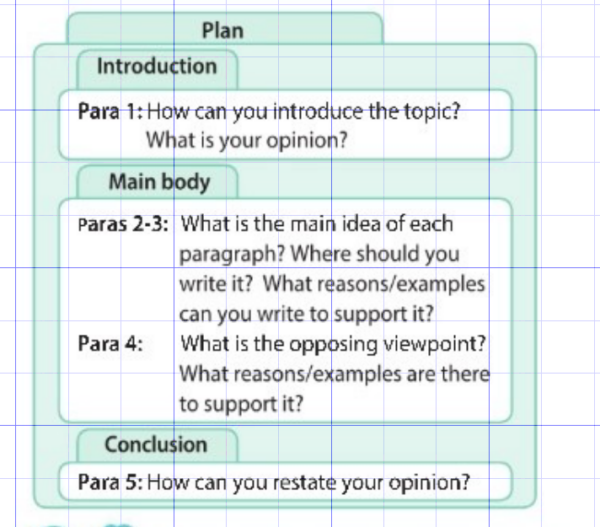
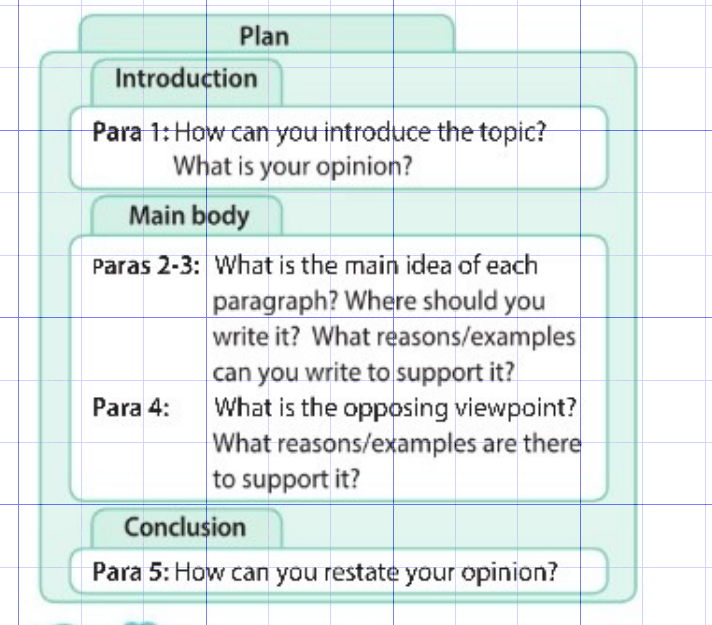
Technology and technological devices have
become very popular over the last ten years.
In my opinion, having too many devices
complicates people’s lives rather than makes
them easier.
To start with, the increased use of
technological devices has brought about many
security issues. For example, there has been a
major increase in thefts of mobile phones,
iPods and other devices. Furthermore using
bank cards online isn’t safe as hackers have
the ability to access bank details.
Secondly, technology can be unreliable.
Machines and computers regularly break down
and can be time-consuming to fix. This can
cause a lot of problems for those who rely on
technology, such as businesses or schools.
On the other hand, it is said that learning how
to use technological devices prepares you for
the future. Regular use of a computer will
mean good keyboard skills which can be
beneficial in a person’s working life.
In conclusion, I think it is important not to rely
too heavily on technological devices as that
could negatively affect our lives, but occasional
use of modern technology can sometimes help.-
Excellent!
-
-
In today’s society, the reliance on technological devices has reached unprecedented levels. While these innovations offer numerous benefits, such as enhanced communication and access to information, they also create significant drawbacks. Dependence on smartphones, tablets, and computers can lead to reduced face-to-face interactions, fostering loneliness and social isolation. Additionally, excessive screen time can adversely affect mental and physical health, contributing to issues like anxiety and obesity. Furthermore, over-reliance on technology may result in a decline in critical thinking and problem-solving skills, as individuals often turn to devices for quick answers rather than engaging in thoughtful contemplation. In conclusion, while technology has transformed our lives for the better, it is essential to find a balance to ensure it serves us without compromising our well-being.
-
Nice!
-
-
The modern world undeniably relies heavily on technological devices, which has transformed various aspects of daily life. While this dependence has led to increased efficiency, improved communication, and access to vast information, it also raises concerns. People often prioritize screens over personal interactions, leading to social isolation. Moreover, reliance on technology can hinder critical thinking and problem-solving skills, as individuals may lean on devices for answers rather than engaging their minds. Additionally, the constant connectivity can contribute to stress and anxiety. Ultimately, while technology enriches our lives, a balance is essential to ensure it enhances rather than dominates our experiences. A mindful approach can help harness technology’s benefits while mitigating its drawbacks.
-
Nice!
-
Добавить комментарий
-
-
Post 1
8 ответов для «Post 1»
-
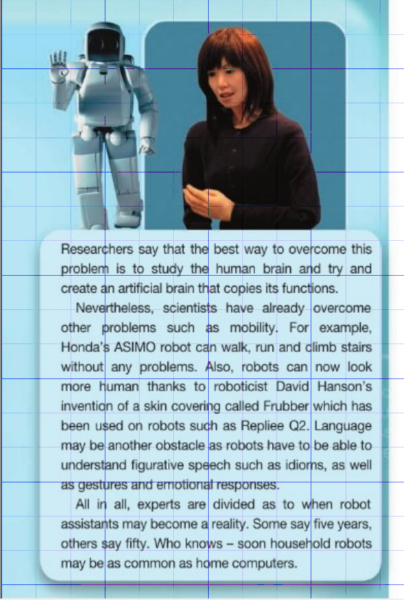
Para 1 Where are the robots?
― authors wrote stories about robots
in the future
― technology has advanced but there
are still no ‘household’ robots.
Para 2 The human robots
― robots can do some things but
there are no human-like robots
― difficult to build human-like robots
Para 3 Problems
― scientists don’t know how to make
a robot think
― scientists will study the human
brain to find out more
Para 4 Movement and language
― robots can move
― scientists made ‘skin’ covering for
robots
― language is a problem
Para 5 When will there be robot assistants?
― no one knows when human-like
robots will be a reality-
Great!
-
-
A lot of science-fiction writers wrote stories
about household robots and the future. Many
things they wrote about came true but we are
still waiting for robots to cater to all our
needs and express themselves like humans.
Scientists have not yet been able to give
robots the ability to think but they are
working on it. However, scientists have made a
robot which can walk, run and climb stairs.
They can also make them to look more like
humans with a human-like skin covering.
Scientists have discovered that language is the
biggest obstacle for robots and they are
unsure of when we will have robot assistants
which we can speak with.-
Good job!
-
-
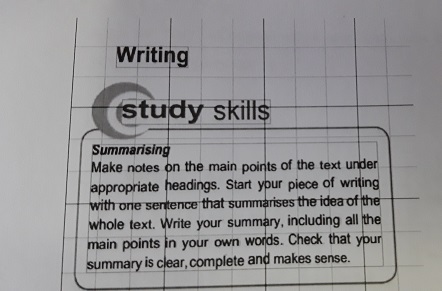
Summary
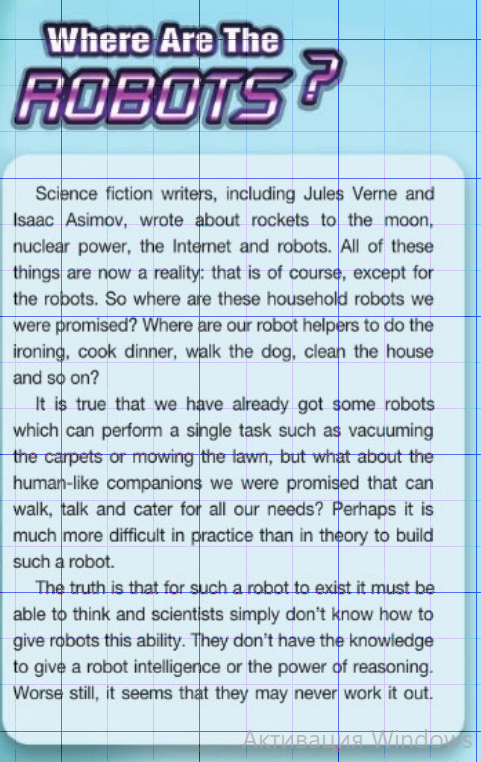
The text discusses the current state of household robots, highlighting the gap between science fiction predictions and real-world advancements. While single-task robots exist, the quest for versatile, human-like companions remains a challenge due to the complexities of artificial intelligence and human reasoning.1. Introduction to Science Fiction Predictions
Science fiction authors like Jules Verne and Isaac Asimov made accurate predictions about technological advancements such as rockets, nuclear power, the internet, and robots.
A notable omission in present-day reality is the existence of versatile household robots.2. Current State of Robots
Current robots can perform specific tasks, like vacuuming and mowing the lawn.
There is a lack of human-like robots that can handle multiple domestic duties (e.g., cooking, cleaning).3. Challenges in Creating Advanced Robots
Development of truly intelligent robots is hindered by the inability to replicate human thinking and reasoning.
Scientists are still uncertain about how to imbue robots with intelligence.4. Research Directions
Researchers propose that studying the human brain could help in creating artificial intelligence that mimics human functions.
5. Progress in Robotics
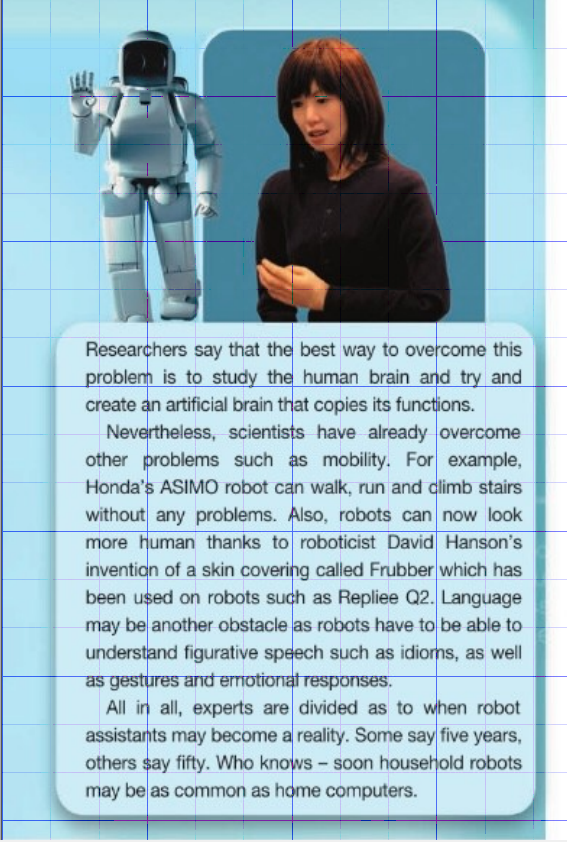
Significant advancements have been made in robot mobility, exemplified by Honda’s ASIMO which can perform various physical tasks.
Innovations like Frubber, a skin-like covering, have improved the human likeness of robots.6. Language and Communication Barriers
Understanding language nuances, such as idioms and emotional cues, remains a challenge for robots.
7. Future Predictions
Experts disagree on the timeline for the emergence of household robots, with estimates ranging from five to fifty years.
There is potential for robots to become as ubiquitous in homes as computers.-
Perfect!
-
-
Post 1
Summary:
The text discusses the current state of household robots, exploring the gap between science fiction expectations and real-world capabilities, and highlights the challenges that need to be addressed to create advanced robots that can think and perform multiple tasks.
1. Science Fiction versus Reality
• Notable science fiction writers like Jules Verne and Isaac Asimov envisioned advanced technologies including robots.
• Current technological realities include rockets, nuclear power, and the internet; however, fully functional household robots remain elusive.
2. Current Robot Capabilities
• Basic robotic tasks: existing robots can perform specific functions like vacuuming and lawn mowing.
• Public expectation: anticipation for advanced, human-like companions that can complete various household chores.
3. Challenges in Robot Development
• Intelligence barrier: significant difficulty in enabling robots to think, reason, and possess intelligence.
• Uncertainty about whether scientists will ever achieve this level of capability.
4. Research Directions
• Studying the human brain: researchers suggest creating artificial brains that mimic human cognitive functions may be the solution to develop intelligent robots.
5. Progress in Robot Technology
• Advances in mobility: robots like Honda’s ASIMO can walk, run, and navigate stairs effectively.
• Aesthetic improvements: the introduction of Frubber, a skin-like material, enhances the human-like appearance of robots.
6. Language Understanding Challenges
• Language complexities: robots must comprehend idioms, gestures, and emotional cues for effective communication.
7. Predicting Future Developments
• Divergent expert opinions: predictions regarding the arrival of sophisticated household robots range from as soon as five years to as far as fifty years.
• Potential normalization: household robots could become as common as computers in the future.-
Didn’t follow the instructions!
-
Добавить комментарий
-




Добавить комментарий